
After a motor vehicle accident in Little Rock, it is natural to wonder whether you need an X-ray, CT scan, or MRI for neck or back pain. The answer depends on your symptoms, how the collision happened, and findings from a medical examination. Not every car accident requires imaging, and no scan can replace an appropriate clinical evaluation.
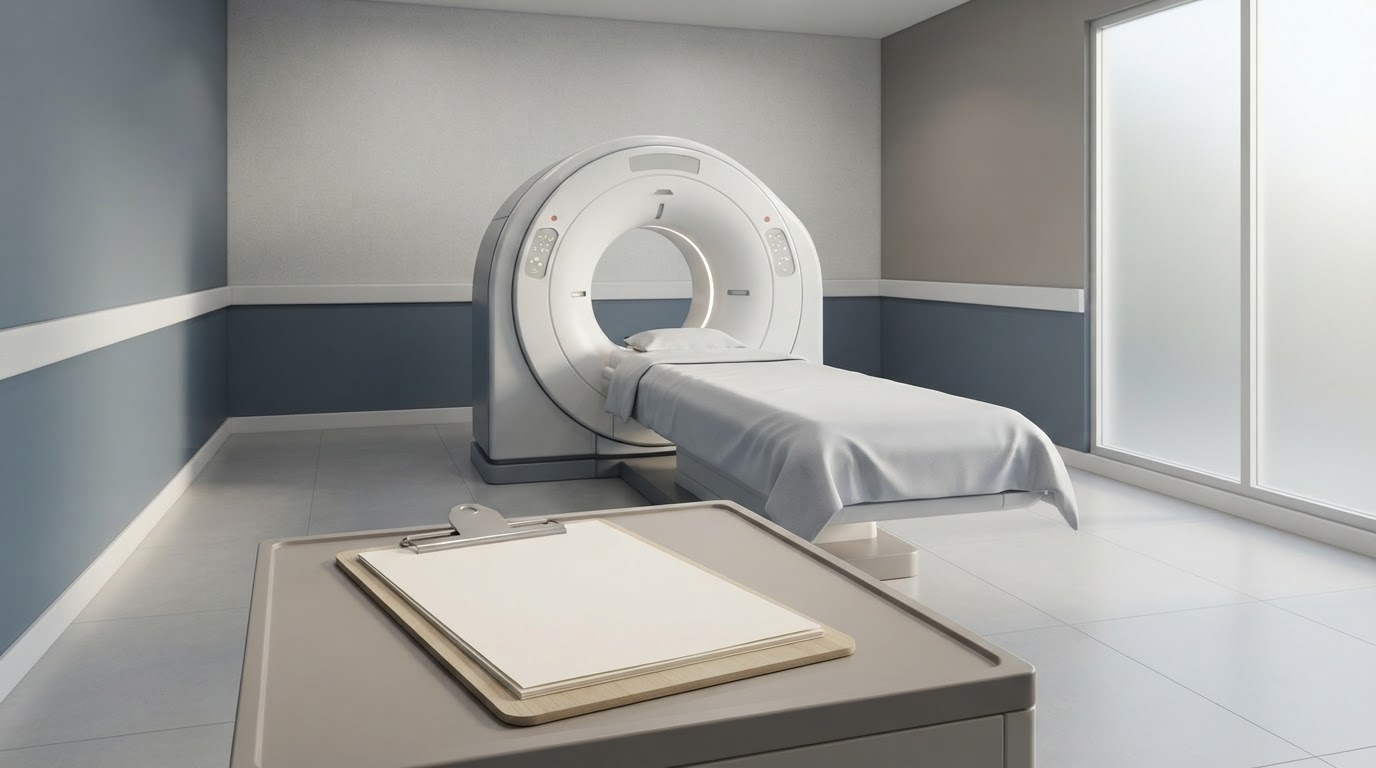
When is imaging needed after a car accident?
A clinician may assess the crash mechanism, neck or back tenderness, range of motion when safe, alertness, and neurological symptoms such as weakness or numbness. In emergency departments, clinicians can use validated decision rules to determine whether certain patients with possible neck injury need imaging. These rules are not a self-diagnosis tool and do not apply to every patient.
According to the American College of Radiology’s Appropriateness Criteria for acute spinal trauma, some lower-risk adults do not need cervical-spine imaging, while CT of the neck without contrast is usually appropriate when certain high-risk criteria are met. Your own clinician must decide what applies to you.
What is the difference between an X-ray, CT, and MRI?
- X-ray: Can show certain bone and alignment problems. It is not always the best first test after significant neck trauma.
- CT scan: Often used in emergency settings to evaluate suspected acute spinal fractures or other serious injuries when clinical criteria indicate imaging.
- MRI: May be considered when there is concern about spinal cord, nerve, disc, or ligament injury, particularly when the examination or earlier imaging raises questions. It is not routinely required for every episode of pain.
Different examinations answer different questions. It is important to describe your symptoms accurately rather than requesting a particular scan solely because you were involved in a collision.
Could head symptoms require a different evaluation?
Yes. A head impact or sudden jolt can cause a concussion, which may occur without an abnormal scan. The CDC explains that head CT is not necessary to diagnose most mild traumatic brain injuries; a scan may instead be used when there is concern about more serious bleeding or another complication. Head injury symptoms deserve medical assessment even if they seem mild.
When should you get emergency care?
Call 911 or seek emergency medical attention for worsening severe headache, repeated vomiting, confusion, seizure, fainting, new weakness or numbness, difficulty walking, severe pain after major trauma, or loss of bladder or bowel control. Do not seek chiropractic manipulation before potentially serious spinal or neurological injury has been appropriately assessed. See the CDC’s head-injury danger signs for additional guidance.
How can chiropractic care fit into the next steps?
When urgent conditions have been ruled out and conservative management is appropriate, an individualized care plan may include education, therapeutic exercise, movement guidance, and suitable chiropractic treatment. Treatment decisions should follow the evaluation and account for symptoms, medical history, and any imaging findings. Not every patient is a candidate for spinal manipulation.
Questions to ask your provider after a collision
- Do my examination findings suggest that imaging or a specialist referral is needed?
- What changes in symptoms would require emergency reassessment?
- Are there movements or activities I should temporarily avoid?
- What is the follow-up plan if pain, weakness, or headaches persist?
Car accident chiropractic care in Little Rock, Arkansas
Omnis Chiropractic provides chiropractic care and therapeutic exercise options for appropriately evaluated patients in Little Rock and nearby communities, including North Little Rock, Maumelle, Benton, Bryant, and Conway. Our office is located at 10301 North Rodney Parham Rd, Ste A3, Little Rock, AR 72227.
For a non-emergency appointment, schedule with Omnis Chiropractic online. For emergency warning signs, call 911 or go to the nearest emergency department instead.